How can we make community food better in Southampton?
Bethan Prosser and Claire Thompson (FAIR-food Researchers) share their thoughts and learning from the first community research programme in Southampton.
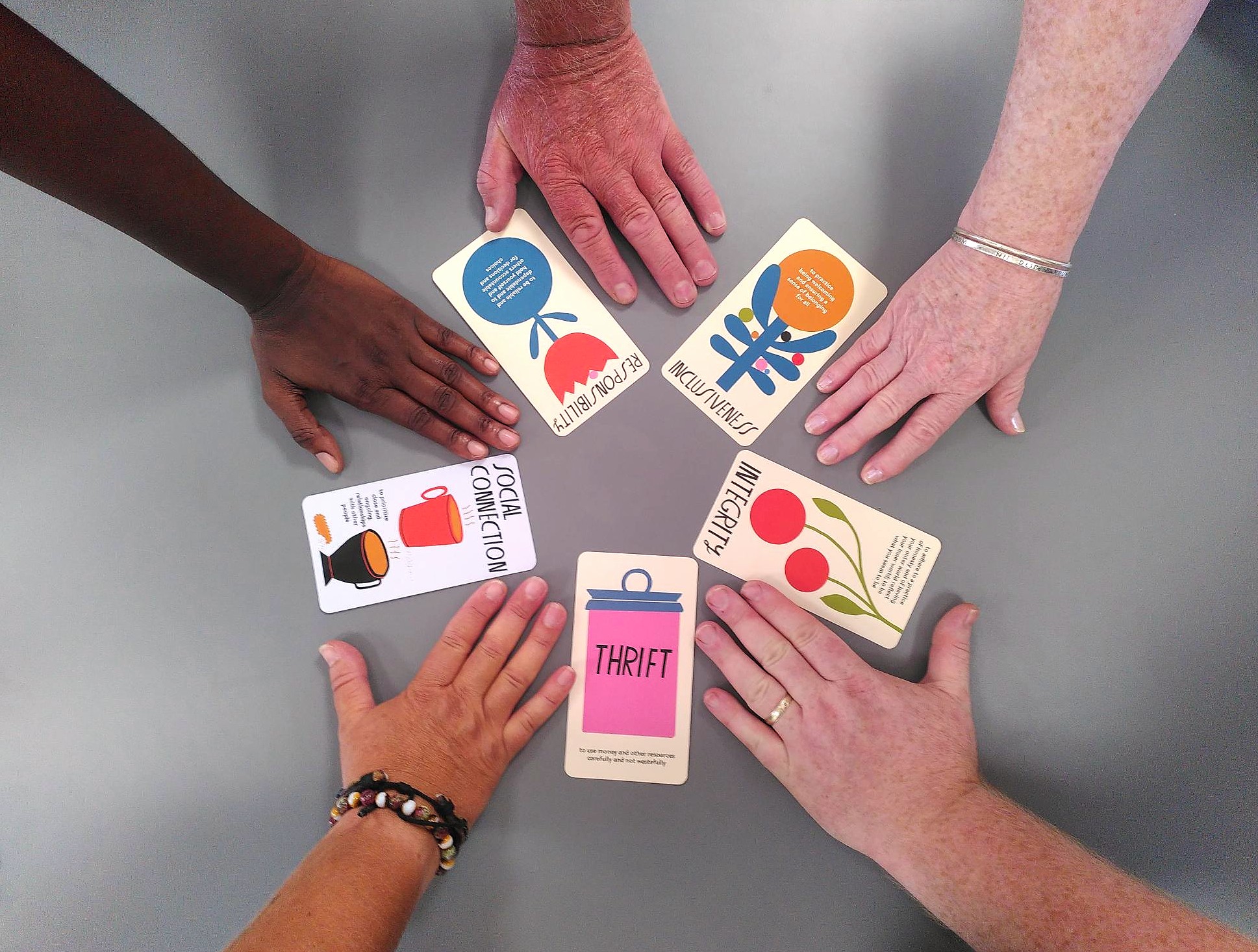
This month we started our second Community Researcher training programme, this time in the New Forest. As we begin this journey with a new group of people, it’s also important to think back over and learn from the programme we ran in Southampton earlier this year.
As we described in our last blog, there are not many projects that train people who use community food to do their own research. When we started advertising across community food places in Southampton (marketplaces, social supermarkets, food pantries and clubs), we did not know what interest there would be. But we were pleasantly surprised by the amount of people who wanted to take part and recruited a group of six people from across the city - all enthusiastic about making community food work well for everyone who needs it.
All six people came with their own interests community food. This included:
- understanding more about food waste and whether people using community food are interested in combatting food waste and green initiatives like community growing spaces.
- finding out if people like the choice available at community food and feel respect and dignity when going to these projects
- asking people who are neurodivergent (e.g. autistic or have ADHD) or have specific dietary requirements (e.g. Diabetes, Coeliac, IBS) if community food works for what they need
- working out why people who might need help with food don’t go to community food places
We met for 14 weekly sessions, going through all the different things that make up “doing research” and what it means to become a researcher. The training programme, called NxtGen, was originally created for young people, so we made some changes and used more food-related examples and activities. Bethan led the sessions with support from the rest of the team, especially valuable was Cara Black’s (PhD student with FAIR) support who has lots of experience of running the training with young people.
We all worked together to shape initial ideas into projects suitable to go through the university system, including ethics committee approval. Bethan and Cara noticed that a key part of the journey was the group moving from getting the opportunity to share their own experiences to thinking about how to find out about other people’s views and experiences. Even for community researchers who know a community food place well, it can be challenging to get people to open up and share their experiences of using food aid.
It was impressive to see all the projects come to fruition, with 75 people across Southampton taking part. You can see the topics and posters for each project here. There was lot of shared findings across the projects, which meant we could come up with a list of 12 recommendations together, including:
- celebrating the volunteers who make community food - see summary of volunteer findings here
- awareness training on neurodiversity and mental health issues for community food staff and volunteers
- more funding for activities at community food projects that support social connectedness as well as gaining food and diet-related skills and knowledge
- increasing donations of toiletries available at community food projects
- setting up community growing spaces across the city
- expanding community food opening hours for working families to attend
On a hot July day, 31 people came together to discuss these from the council, food aid providers, university and other charities. The Community Researchers did an incredible job of sharing their findings and putting their recommendations across. Together, we managed to identify set of 25 actions to move these forwards.
Already, a pilot has been set up at one of the pantries to test out evening opening hours. We hope to see more changes come about from the hard work of the Community researchers and everyone involved. We’ve had really positive feedback from the group about what they got out of the programme, including gaining confidence and a platform to express themselves. We also have gained lots of learning, which we’re applying to the next programmes in the New Forest and Isle of Wight. For example, we want to work more closely with community food stakeholders this time around to make sure the community researchers get a chance to explore the complexities of delivery and logistics. We hope this will lead to recommendations we can test out in the New Forest more quickly, focusing on feasible local changes as well as longer-term goals for change in the system. We’re looking forward to supporting the next group of Community Researchers through this journey in the New Forest.