How can community research contribute to food justice?
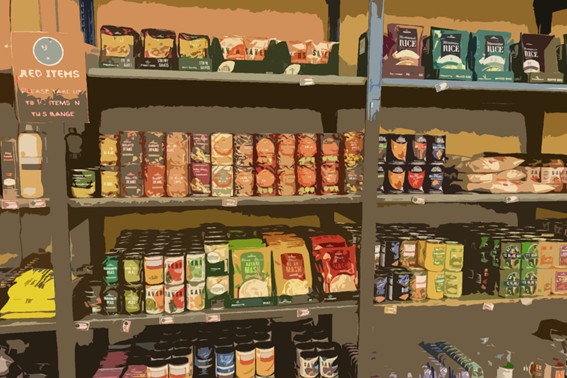
Bethan Prosser and Claire Thompson (FAIR-food Researchers), kick off the new year with some thoughts on our planned community research, which will begin in the spring.
Food pantries provide low-cost food and other essentials to people on limited incomes. They are becoming more popular because, unlike most food banks, they can offer people a choice of foods and support them over the long term, not just in a crisis.
Our FAIR-food team have been learning about the different ways food pantries are organised across Southampton, the New Forest and Isle of Wight. They are not always called food pantries (this term comes from the USA and used in research papers and reports). Other names include: marketplaces, larders, food clubs, affordable and social supermarkets.
Food pantries have lots of challenges to deal with, like: increasing demand, rising costs, not knowing how much surplus or donated food they will get each week, sometimes having to deal with poor quality food coming into the pantry that they cannot pass-on to members, and problems getting enough funding to continue their work.
FAIR-food is going to look at how pantries impact upon health, what sort of foods end up in pantries, and how pantries manage practical things like picking up and storing food. Alongside all of this, we will be working with community members who use food pantries to find out what they would like to change about food pantries. We will be asking pantry users if they would like to be trained as Community Researchers who, with our support, will do their own research in food pantries and come up with ways to make them better to use and healthier for members.
What is community research?
Community research is about making sure that people who are affected by an issue are involved in carrying out research about it. So, for FAIR food, that means making sure that food pantry users get the opportunity, training, and support to do research on their food pantries (if they want to) and that the results of their research get listened to by policy makers, councils, charities, and universities.
We are using a very organised and structured approach called Community Participatory Action Research (CPAR). Southampton University researchers at the Life Lab have put together a part-time course (over 14-16 weeks) called the NxtGen programme. The course gives food pantry users who sign-up “on the job” training. They will become Community Researchers by learning about topics like research ethics, collecting and analysing data, and presenting findings. At the same time they will be using these new skills to carry out their own individual research projects. At the end of the course, we share all the research findings together at a workshop event and invite everyone involved. We agree a plan for action and change with our Community Researchers, food pantries, councils, charities, and other relevant organisations.
What community research is already happening in community food projects?
Food pantries, along with food banks and similar organisations, are part of the food aid sector. This sector is growing. If you are interested in research about this sector then there is plenty to read. We are especially interested in community research in the food aid sector. Below are links to research reports and papers in this area, if you want to get an idea of different approaches:
- Food aid improvements made through co-design with service users
- Academic researchers working in partnership with food aid provider staff and volunteers
- Student-led research on food insecurity in higher education
We have been reviewing this research so we are fully up to date on the topic and, so far, reviewed 37 papers in detail, with 13 key papers and 7 projects identified. We have found that there have not been many projects trying to do what FAIR-food is doing – below are couple of examples of training community food researchers:
- FoodSEqual Community Food Researchers in Plymouth UK
- Food Dignity, Five community-led food systems research projects in US
There are not many community research projects about food aid because it is not an easy thing to do. Being a Community Researcher is a big commitment, not everyone wants to do it or has the time. Added to which, they may be experiencing lots of life challenges (like caring and housing problems) that need their attention or they may not want to be widely known as someone who has to use a food pantry or food bank. Training and supporting community researchers need to be organised and paid for including paying Community Researchers for their work.
Why is it important to do community research in food pantries?
For all the challenges, there are important benefits to doing community research:
- For community researchers: learning, skills, meeting new people, feeling empowered, and enjoyment
- For projects: new interventions, improved organisational knowledge, evidence for funding, new partnerships, better awareness and care over food aid users’ experiences
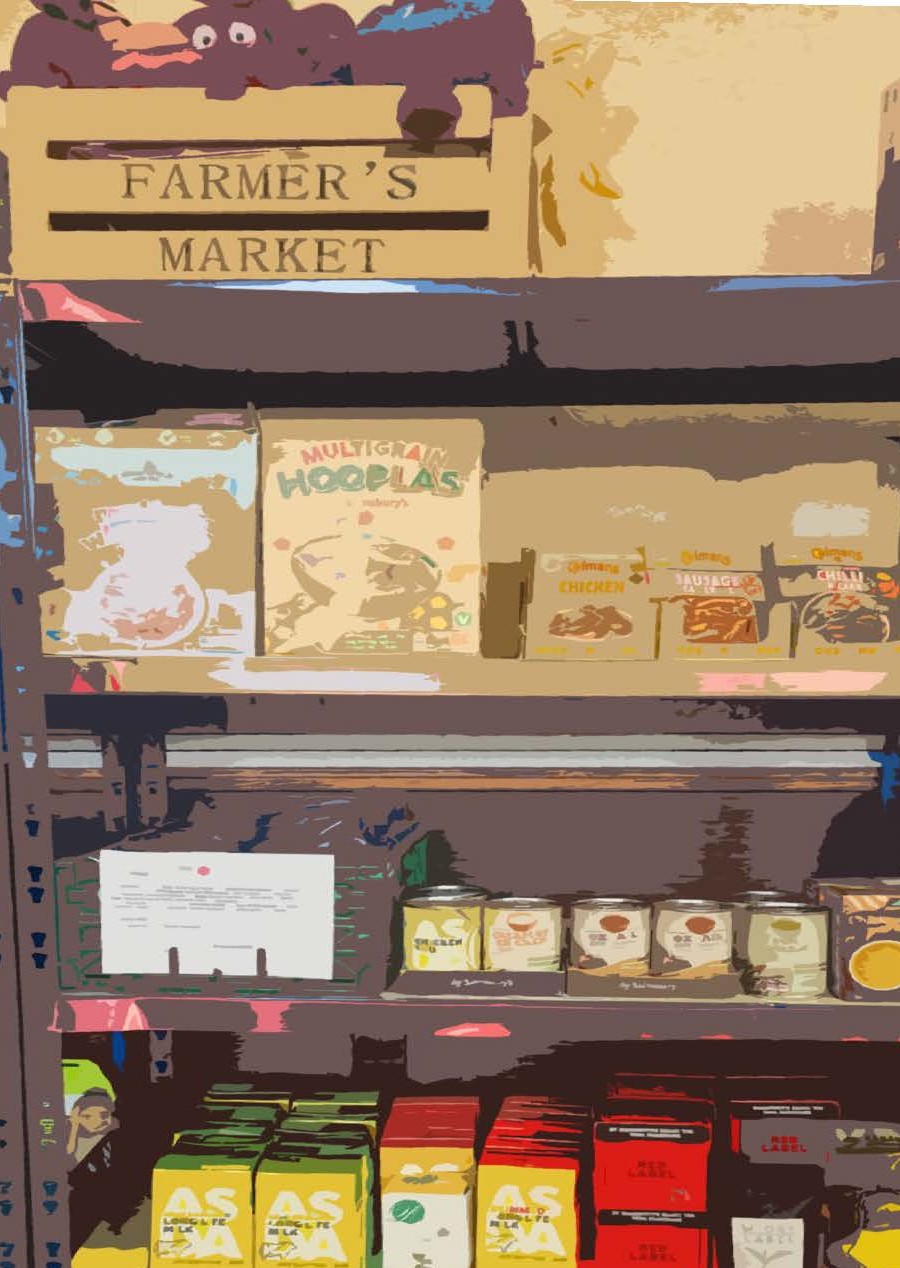 Another reason why there is not much community research in food aid is because it is quite a new sector. It may feel like food banks and pantries have been around forever. But, in the UK, it is only over the last 20 years that they have grown. It can take a long time for research and policy to catch up. And it needs to catch up because people who have to use food aid to survive can experience hunger trauma. Not being able to provide food for yourself and your family in the way that you need, and prefer to, can be very damaging to mental health and wellbeing, especially if it is a long-term problem.
Food aid services can therefore suffer from an “absence of empowerment” – where people using a service do not get a say in how the service is run. This has been identified in other service areas, such as homelessness, where there are strong calls for people with experience of homelessness to be central to service and system change. Food justice, a future where both food waste/surplus and insecurity are no longer problems, cannot occur without the input and say of those who experience the most harm from our current food systems.
If you would like to find out more, or interested in becoming a Community Researcher, please contact: Bethan Prosser, fairfood@soton.ac.uk